


A criminal arrest in Hampton, Virginia sets a legal process in motion with serious consequences. The hours and days that follow are critical. Every decision made during this period, from whether to speak with officers to when legal counsel is retained, can directly shape the outcome of your case.
The moment you are arrested, your constitutional rights attach. You have the right to remain silent. You have the right to an attorney. These are not suggestions. They are legal protections because what you say during questioning can be used against you.
Do not attempt to explain yourself to officers at the scene. Do not answer questions without an attorney present. Politely but firmly assert your right to counsel and remain silent until legal representation is secured. Law enforcement officers are trained to gather information, and exercising your constitutional rights can help protect your defense from the very beginning.
After a criminal arrest, you will be transported to a police station or detention facility for booking. During booking, officers document your personal information and the alleged offense, take fingerprints and photographs, and create an official arrest record.
Personal belongings are collected, and you may remain in custody while the booking process is completed. Although booking is primarily an administrative process, it creates the official record of your arrest and begins the formal criminal court process. At this stage, involving an attorney as early as possible can help protect your rights and prepare you for the proceedings ahead.
Virginia law requires that individuals arrested without a warrant be brought before a magistrate or judge without unnecessary delay. During this appearance, you are informed of the criminal charges against you, and a magistrate or judge may determine whether you may be released on bond, depending on the circumstances of your case.
Bond decisions consider the alleged offense, your ties to the community, criminal history, and whether you are likely to appear for future court dates. A skilled criminal defense attorney can advocate for reasonable bond conditions and present information that supports your release. Without experienced representation, this important opportunity may be overlooked.
After your initial appearance, many criminal cases proceed to an arraignment. During this hearing, the court formally advises you of the charges against you and explains your legal rights. Depending on the circumstances of your case and the court handling it, you may also be asked to enter a plea.
Although an arraignment is often brief, it begins the next phase of the criminal court process. Early decisions can influence plea negotiations, pretrial motions, and trial preparation.
The next steps depend on the nature of the charges. Felony cases often proceed to a preliminary hearing, where a judge determines whether sufficient evidence exists for the case to move forward. If so, the case may proceed through indictment, pretrial proceedings, and ultimately trial. Misdemeanor cases generally follow a more direct path through the general district court. The specific process depends in part on whether you are facing a felony or misdemeanor offense.
Throughout the criminal court process, your attorney may review the prosecution's evidence, file appropriate legal motions, negotiate with prosecutors when appropriate, and prepare the strongest possible defense based on the facts of your case.
Hiring a criminal defense attorney early is one of the most important decisions you can make after an arrest. Virginia criminal defense cases are not won or lost at trial alone. They are shaped by the decisions made during every stage that comes before it.
An attorney protects your rights, advocates for fair bond conditions, evaluates the evidence, and develops a defense strategy for your case. Early involvement can also preserve valuable evidence and help avoid procedural mistakes that may limit your legal options later.
Every criminal case is different, and the facts and charges shape how it proceeds. Generic legal information cannot replace legal advice tailored to your situation.
An arrest does not determine the outcome of a criminal case. Charges may be challenged, reduced, or, in some situations, dismissed. Protecting your rights and building a strong defense begins with taking action as early as possible.
If you have been arrested or are facing criminal charges, call The Stellute Law Firm at (757) 722-2815 to schedule your free consultation with an experienced trial attorney.
What should I do immediately after a criminal arrest in Virginia?
Assert your right to remain silent and request an attorney. Do not answer questions from law enforcement without legal representation present. Contact a criminal defense attorney as soon as possible to protect your rights.
What happens after my first court appearance?
After your initial appearance, your case may proceed to an arraignment, pretrial hearings, plea negotiations, or, in felony cases, a preliminary hearing. The specific timeline depends on the charges and the facts of your case.
Can criminal charges be dropped after an arrest in Virginia?
Yes. Depending on the evidence, legal issues, and the circumstances of the case, criminal charges may be reduced, dismissed, or resolved through negotiation. An experienced Virginia criminal defense attorney can evaluate your case and explain the legal options available.

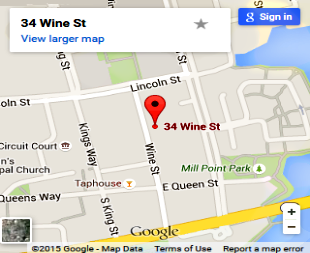
34 Wine Street, Hampton, Virginia 23669
Serving Hampton, Newport News, James City County, York County, Williamsburg and all of Hampton Roads, VA.